Why Porcelain Slab Shower Walls Are the Biggest Bathroom Trend in 2026
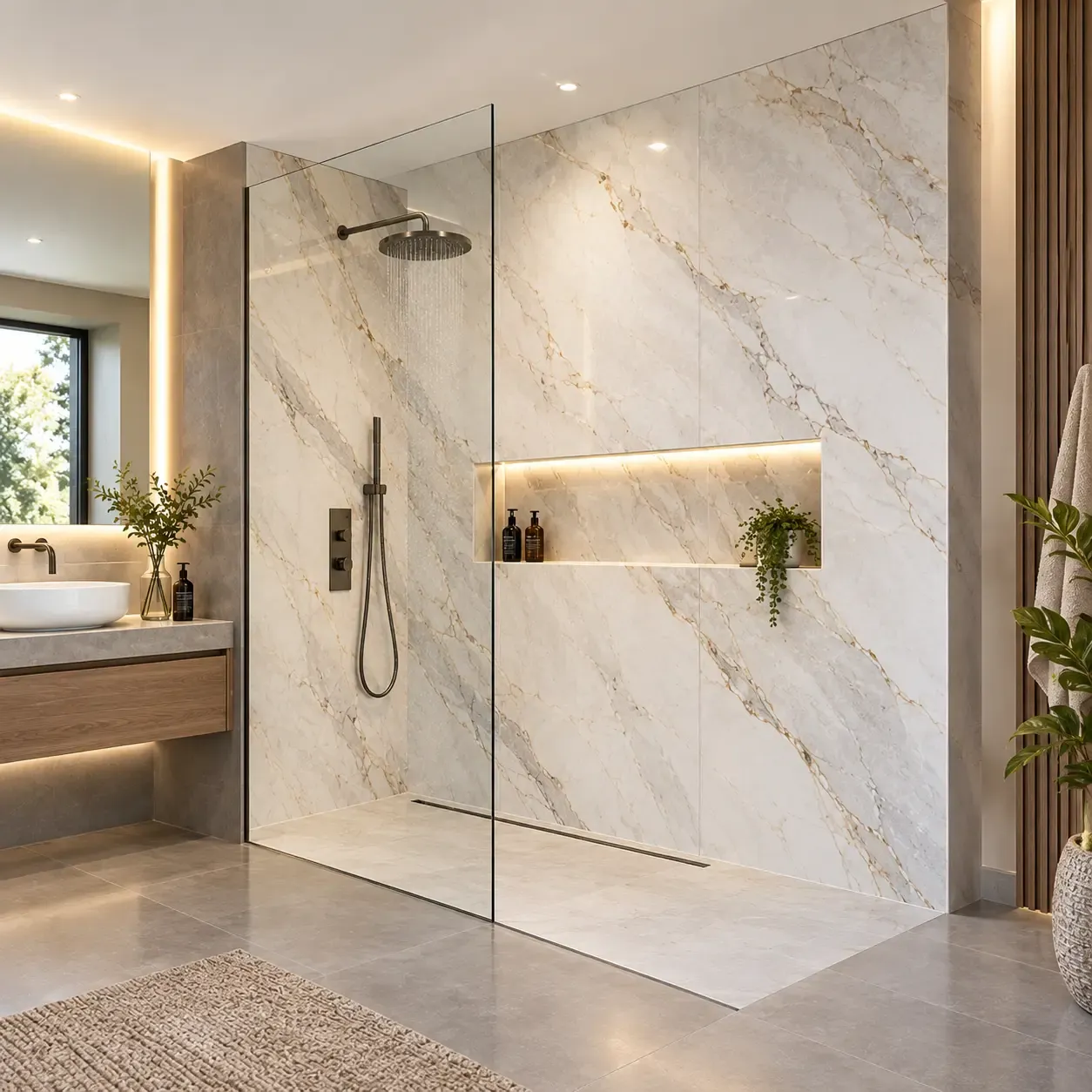
Bathroom design has evolved significantly in recent years, with homeowners increasingly looking for materials that combine practicality, durability, and modern aesthetics. In 2026, one of the biggest trends in bathroom renovation is the use of porcelain slabs for shower walls.
Traditionally, shower walls were covered with small ceramic tiles. However, large-format porcelain slabs are becoming increasingly popular because they create a cleaner, more seamless appearance with fewer grout joints. Available in a wide range of colours, patterns, and finishes, porcelain slabs can replicate the appearance of natural stone while offering the practical benefits of porcelain.
Whether you are designing a sleek contemporary bathroom or creating a luxurious spa-inspired retreat, porcelain slab shower walls offer an elegant and practical solution.
The Changing Face of Bathroom Walls: Traditional Tiles vs Porcelain Slabs
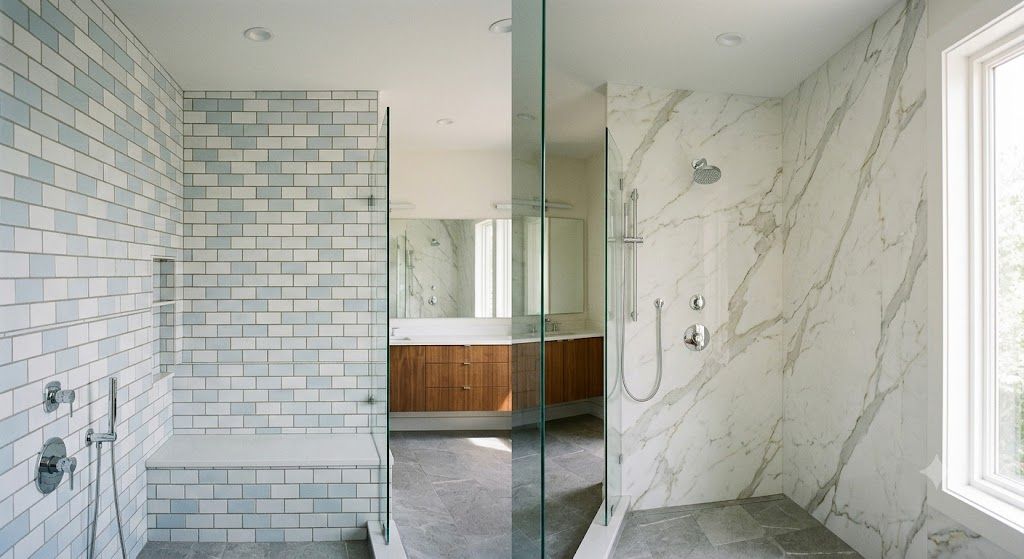
Traditional bathroom walls are often covered with multiple small ceramic tiles. Although they offer plenty of design flexibility, the numerous grout lines can become difficult to maintain over time. Dirt, soap residue, mould, and mildew can accumulate in grout joints, making regular cleaning more demanding.
Porcelain slabs offer an alternative by using large-format panels to cover wider wall surfaces. This significantly reduces the number of visible joints, creating a cleaner and more continuous appearance.
One of the biggest differences between traditional tiles and porcelain slab shower walls is the reduced number of grout lines. With fewer joints interrupting the surface, the natural patterns, textures, and finishes of the porcelain become the main design feature.
This approach works particularly well in smaller bathrooms, where fewer visual interruptions can help create a more spacious appearance. In larger bathrooms, porcelain slabs can also be used to create striking shower feature walls and luxurious focal points.
Why Are Porcelain Slabs the Biggest Bathroom Trend in 2026?
1. A Contemporary and Seamless Appearance
One of the main reasons homeowners are choosing porcelain slabs is their ability to create a clean, contemporary bathroom design. Large-format panels reduce the number of visible grout joints, allowing the wall surface to appear more continuous and spacious.
Porcelain slab shower walls can create a sense of visual harmony throughout the bathroom. Using matching or complementary slabs across shower walls and feature walls helps establish a coordinated interior design.
Their sleek appearance works particularly well with modern bathroom fixtures, frameless shower screens, minimalist furniture, and contemporary lighting. This makes large-format porcelain slabs an excellent choice for homeowners who prefer a sophisticated and uncluttered bathroom.
2. Exceptional Durability and Stain Resistance
Porcelain is naturally a durable material, making it suitable for bathroom environments where surfaces are regularly exposed to moisture, steam, toiletries, and everyday use.
The dense structure and low porosity of porcelain slabs help prevent liquids from penetrating the surface, providing excellent resistance to staining and moisture-related damage. This makes them particularly suitable for shower walls, splash zones, and other bathroom surfaces.
For those looking to create a distinctive bathroom design, Rough Bruno Porcelain is another option worth considering. Its distinctive finish can add character while maintaining the practical benefits of porcelain.
With appropriate installation and routine maintenance, porcelain slabs can retain their appearance and performance for many years.
3. Easy Maintenance and Cleaning
One of the biggest advantages of large-format porcelain slabs is their reduced maintenance requirements. Unlike traditional tiled walls with numerous grout joints, porcelain slab shower walls have fewer areas where dirt, soap residue, and grime can accumulate.
The non-porous surface of porcelain makes everyday cleaning relatively simple. Most routine cleaning can be carried out using a soft cloth or sponge and a suitable non-abrasive cleaning product.
For homeowners looking for an attractive and practical finish, Storm Beige Porcelain offers an appealing design option that combines a warm appearance with the benefits of porcelain.
Fewer grout joints also mean less time spent cleaning difficult-to-reach areas. This makes large-format porcelain slabs particularly convenient for busy households that want a stylish bathroom without demanding maintenance routines.
4. Versatile Design Options
Design flexibility is another important reason behind the growing popularity of porcelain slabs. They are available in a wide selection of colours, textures, patterns, and finishes, making it easier to coordinate bathroom surfaces with different interior styles.
For example, County Lgy Porcelain is an option to consider when planning a coordinated bathroom design. From soft neutral shades to bold marble-inspired patterns, porcelain slabs can complement everything from minimalist interiors to luxurious bathroom spaces.
Large-format slabs also allow natural-looking patterns and veining to extend across wider surfaces with fewer interruptions. This makes it easier to create a consistent design across shower walls, bathroom walls, floors, and vanity areas.
5. An Environmentally Conscious Choice
Sustainability is becoming an increasingly important consideration in modern construction and home renovation. Choosing durable materials that last longer can help reduce the frequency of replacements and the amount of material waste generated over time.
Porcelain slabs are manufactured using natural raw materials and are designed to offer long-lasting performance. Some manufacturers also incorporate recycled materials and more resource-efficient production methods into their manufacturing processes.
County Anthracite Porcelain is another design option for homeowners looking for a durable and consistent finish that complements contemporary bathroom interiors.
By choosing long-lasting materials and coordinating multiple bathroom surfaces with a consistent design, homeowners can create a practical renovation that reduces the need for frequent changes.
Best Porcelain Slab Shower Wall Ideas for 2026
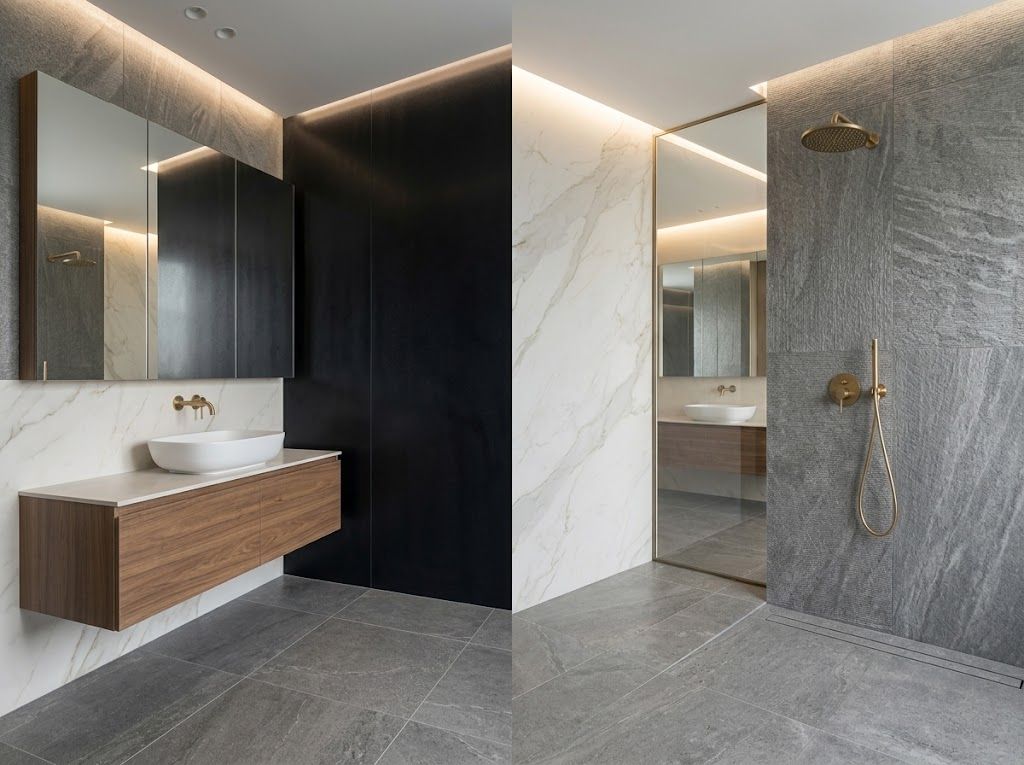
Large-format porcelain slabs have become a popular choice for shower walls because they create a more continuous appearance with fewer grout joints. When selecting porcelain slabs, consider the colour, surface finish, dimensions, cleaning requirements, and overall bathroom design.
1. Marble Effect Porcelain Slabs
Marble-effect porcelain slabs are ideal for creating an elegant and luxurious bathroom. Their detailed veining and natural stone-inspired patterns replicate the appearance of marble while offering the practical advantages of porcelain.
- Create a premium and sophisticated bathroom appearance.
- Available in white, grey, beige, and darker colour variations.
- Suitable for modern and spa-inspired bathrooms.
- Offer easier routine maintenance than many natural marble surfaces.
- Work beautifully with chrome, brass, and contemporary bathroom fixtures.
2. Large-Format Grey Porcelain Slabs
Grey porcelain slabs are an excellent choice for homeowners who prefer a clean and contemporary bathroom design. Their neutral tones complement a variety of bathroom accessories and materials.
- Create a sleek and modern appearance.
- Complement black, chrome, and brushed brass accessories.
- Large formats help minimise visible joints.
- Suitable for both small and spacious shower areas.
3. Beige and Warm-Toned Porcelain Slabs
Beige porcelain slabs bring warmth and softness to bathroom interiors. Their natural-looking tones work particularly well in bathrooms designed around neutral colours, wooden furniture, and minimalist decorative elements.
- Create a warm and welcoming atmosphere.
- Complement wooden-effect furniture and natural materials.
- Suitable for minimalist and nature-inspired bathrooms.
- Work well in traditional and contemporary interiors.
4. Stone Effect Porcelain Slabs
Stone-effect porcelain slabs replicate the appearance of natural materials such as slate, limestone, and other stone surfaces. They provide natural textures and visual depth without requiring multiple smaller tiles.
- Recreate the appearance of natural stone.
- Add texture and character to shower walls.
- Ideal for nature-inspired bathroom designs.
- Can be combined with wooden finishes and neutral colours.
5. Dark Porcelain Slabs
Dark porcelain slabs in charcoal, black, and deep grey tones can create a dramatic and luxurious bathroom interior. They are particularly suitable for contemporary and minimalist spaces.
- Create a bold and sophisticated appearance.
- Complement brass, gold, chrome, and matte black fixtures.
- Work well as feature walls in modern bathrooms.
- Pair with appropriate lighting to maintain a balanced atmosphere.
6. Concrete Effect Porcelain Slabs
Concrete-effect porcelain slabs are perfect for industrial and contemporary bathroom designs. Their understated appearance creates a minimalist look that works particularly well with modern architectural features.
- Provide a clean and industrial-inspired finish.
- Complement black and metallic bathroom accessories.
- Offer a subtle and contemporary wall appearance.
- Large-format panels help maintain visual continuity.
7. Textured Porcelain Slabs
Textured porcelain slabs introduce additional depth and visual interest to shower walls. Their surface finishes can replicate natural materials and create distinctive feature walls within the bathroom.
- Add texture and character to shower areas.
- Create natural or architectural-inspired designs.
- Suitable for statement walls and feature areas.
- Choose a finish that is practical for your cleaning and maintenance requirements.
What Should You Consider Before Installing Porcelain Slab Shower Walls?
Although porcelain slabs offer excellent benefits for bathroom walls, their large dimensions and weight require careful planning and professional installation. Before starting your project, consider the following important factors.
1. Prepare the Correct Wall Surface
The wall surface must be flat, strong, stable, and clean before installing porcelain slabs. Uneven or damaged surfaces can make installation difficult and affect the final finish.
Repair cracks, loose sections, and surface irregularities before installation. A properly prepared substrate provides a stable foundation for large-format porcelain panels.
2. Install a Suitable Waterproofing System
Waterproofing is essential when installing porcelain slabs in shower areas. A suitable waterproofing system must be installed behind the porcelain surface to protect the underlying wall structure from moisture penetration.
Although porcelain has very low water absorption, the slabs themselves do not replace the need for a properly installed shower waterproofing system.
Ensure that waterproofing is completed according to applicable local building regulations and the manufacturer's system instructions. Pay particular attention to corners, joints, niches, pipe openings, and other areas where water may penetrate.
3. Measure the Installation Area Accurately
Accurate measurements are essential when working with large-format porcelain slabs. Carefully measure the height and width of the shower walls, including niches, corners, pipe openings, and other features.
Incorrect measurements can result in unnecessary cutting, material wastage, and additional installation costs. Planning the slab layout in advance helps ensure that patterns and joints are positioned correctly.
4. Consider the Size and Weight of the Slabs
Large-format porcelain slabs can be heavy and difficult to handle. Before installation, check whether the selected slab dimensions and thickness are suitable for the wall structure and intended application.
Appropriate lifting equipment and handling tools may be required to transport and position the slabs safely. Professional handling helps minimise the risk of accidental damage during installation.
5. Choose the Right Adhesive
Select an adhesive specifically suitable for porcelain slabs, bathroom environments, and the intended substrate. The adhesive must be compatible with both the porcelain material and the wall surface.
Always follow the porcelain manufacturer's installation recommendations and the adhesive manufacturer's instructions to ensure proper bonding and long-term performance.
6. Plan the Joints Carefully
One of the main benefits of large-format porcelain slabs is the reduced number of grout joints compared with smaller ceramic tiles. However, fewer joints do not mean that joints can be ignored during installation.
Proper planning is necessary for expansion requirements, movement joints, internal corners, and changes in wall direction. Correct joint positioning helps accommodate natural building movement and supports the long-term performance of the installation.
7. Select the Right Surface Finish
Porcelain slabs are available in polished, matt, textured, and stone-effect finishes. Each option creates a different appearance and may have different cleaning and maintenance requirements.
Choose a finish that complements your bathroom design while remaining practical for the intended application. Consider lighting, water exposure, cleaning routines, and the overall appearance of the bathroom.
8. Hire an Experienced Installer
Installing large-format porcelain slabs requires specialist knowledge and suitable equipment. The process involves careful transportation, cutting, positioning, adhesive application, and precise alignment.
An experienced installer can help minimise the risk of cracking, uneven surfaces, poor alignment, and damaged slab edges. Always ensure that installation follows the manufacturer's recommended guidelines.
9. Allow Installation Materials to Cure Properly
Adhesives, sealants, and other installation materials need sufficient time to cure before the shower area is exposed to water.
Follow the curing times provided by the respective manufacturers and avoid using the shower until the installation process has been completed and all materials have cured properly.
Important: Porcelain slabs are highly resistant to moisture, but installing porcelain surfaces alone does not make a shower waterproof. A correctly installed waterproofing system behind the slabs is essential.
Conclusion
Porcelain slabs are transforming modern bathroom design in 2026 by combining contemporary aesthetics with practical performance. Their large-format dimensions reduce the number of visible grout joints, creating cleaner and more spacious-looking shower walls.
With a wide range of finishes inspired by marble, natural stone, concrete, and other materials, porcelain slabs offer plenty of flexibility for designing both minimalist bathrooms and luxurious spa-inspired interiors.
Whether you are planning a complete bathroom renovation or simply upgrading your shower area, porcelain slab shower walls can help create a stylish and functional interior. Choosing the right colour, pattern, and finish will allow you to coordinate your shower walls with the rest of your bathroom.
Explore Stonecera's collection of porcelain slabs to discover designs that complement your bathroom interiors and create a sophisticated space. With the right product selection and professional installation, you can enjoy a beautiful bathroom for years to come.
Frequently Asked Questions About Porcelain Slab Shower Walls
1. Do porcelain slabs look like natural stone?
Yes. Modern porcelain slabs are available in designs that closely replicate natural materials such as marble, limestone, slate, and concrete. Detailed veining, colour variations, and realistic surface textures help recreate the appearance of natural stone while offering the practical benefits of porcelain.
2. Why are porcelain slabs a popular bathroom trend in 2026?
Porcelain slabs are popular in 2026 because they combine a sleek, contemporary appearance with durability and relatively low maintenance requirements. Their large-format dimensions reduce the number of grout joints, helping create seamless-looking surfaces and a luxurious bathroom environment.
3. What are the most popular porcelain slab styles and finishes in 2026?
Popular options include marble-effect designs, warm beige tones, modern grey finishes, dark slate-inspired patterns, concrete-effect surfaces, and textured porcelain slabs. These styles allow homeowners to create personalised bathroom interiors that complement different design preferences.
4. How do you clean and maintain porcelain slab shower walls?
Porcelain slab shower walls are relatively easy to maintain. Regular cleaning with a soft cloth or sponge and a non-abrasive, pH-neutral cleaning product is generally sufficient. Wiping down the shower walls after use can help reduce soap residue and mineral deposits. Most porcelain surfaces do not require regular sealing and offer excellent resistance to staining.
5. Are porcelain slab shower walls an environmentally friendly choice?
Porcelain is manufactured using natural raw materials and offers long-lasting durability. Its extended service life can reduce the need for frequent replacement, helping minimise material waste over time. The overall environmental impact also depends on manufacturing processes, transportation, and the use of recycled materials.