Natural Stone Collection
Limestone Paving
Limestone has the reputation of being one of the most classic and timeless stones of the centuries. Being a reliable stone, it has proven to add breathtaking beauty to kitchens, living rooms, bathrooms, and outdoor spaces. Stoncera brings you our versatile and durable collection of limestone tiles. Popular for offering warm tones, limestone slabs are a suitable choice to create a whole new vibe in the space. Join us on the journey of designing a space that deserves all the attention and applause.
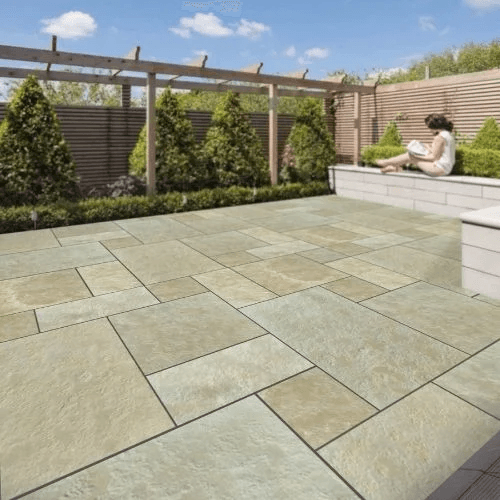
Antique Yellow Limestone Paving
In Stock
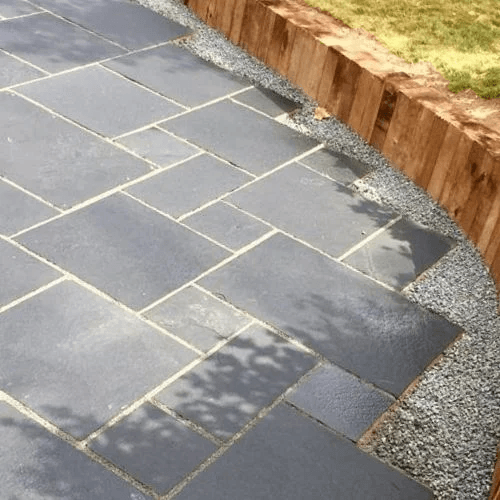
Black Limestone Natural Paving
In Stock
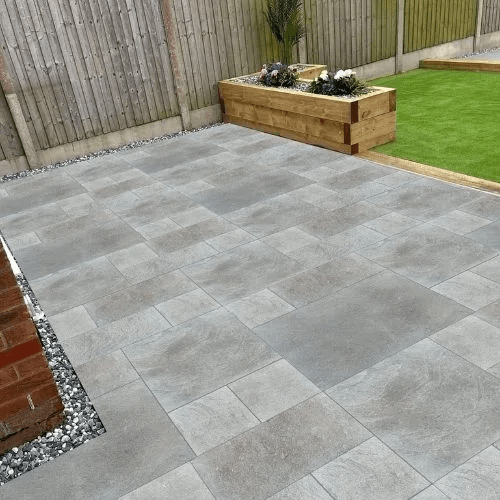
Dark Grey Limestone Paving
In Stock
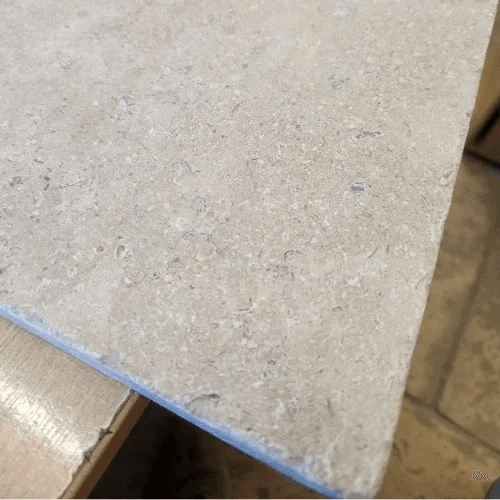
Egyptian Acid Washed Limestone Paving
Out of Stock
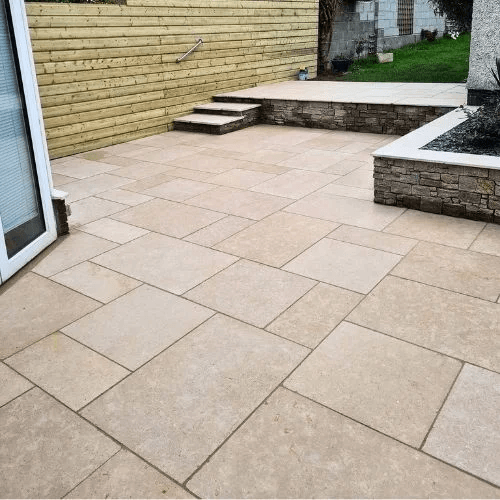
Egyptian Limestone Paving
In Stock
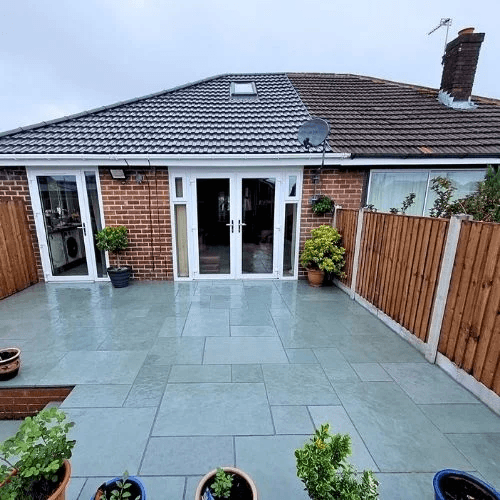
Kota Blue Natural Limestone Paving
Out of Stock
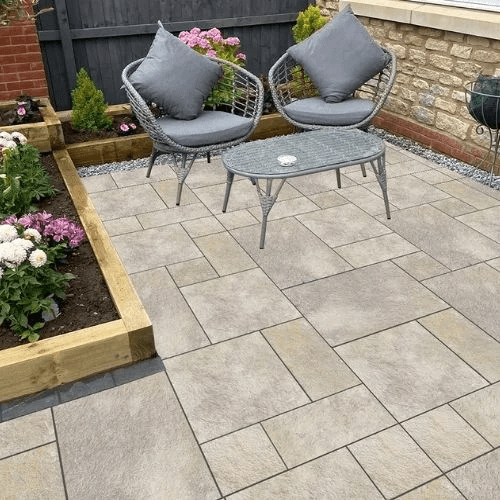
Tumbled Yellow Limestone Paving
In Stock
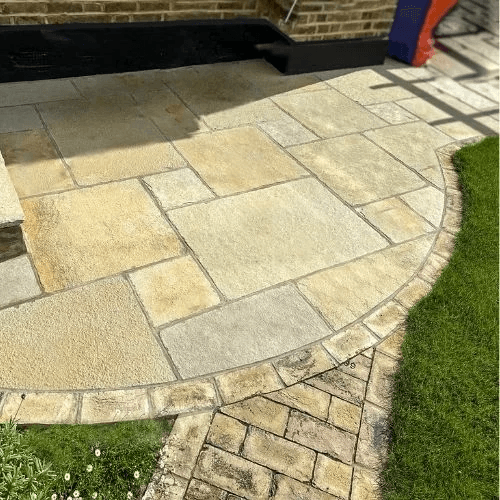
Yellow Limestone Natural Paving
In Stock
Natural Limestone Paving for Timeless Outdoor Spaces
Limestone paving is a popular natural stone choice for creating patios, pathways, terraces and other outdoor spaces with a warm, understated appearance. Its natural variation in colour, texture and surface character gives each paved area an individual look while complementing a wide range of garden styles.
At Stonecera, our limestone paving collection offers a selection of natural limestone options in different tones and finishes. From warm earthy shades to darker contemporary colours, limestone can be used to create both traditional and modern outdoor designs.
Why Choose Limestone Paving?
Limestone paving offers a naturally elegant alternative to manufactured paving materials. Its subtle colour variations and natural surface characteristics can give patios and garden areas a softer, more organic appearance.
Limestone can work particularly well in landscaping schemes where you want the paving to blend naturally with planting, walls and other outdoor materials. Its range of natural tones also makes it possible to create different moods, from warm and traditional to darker and more contemporary.
If you want to learn more about the material and its different applications, read our guide What Is Limestone Used For? to discover more about limestone in landscaping, architecture and interior design.
Limestone Paving Colours and Natural Variation
One of the defining characteristics of natural limestone is the variation found from one stone to another. Depending on the limestone selected, you may see differences in tone, markings and surface texture that contribute to the natural appearance of the finished paving.
Lighter limestone can help create a bright and open outdoor space, while darker limestone can introduce greater contrast and definition. Warmer limestone tones can also complement brickwork, timber, planting and other natural materials.
Limestone for Patios and Garden Spaces
Limestone paving can be used to create attractive patios, seating areas, terraces and other garden spaces. Its natural appearance makes it easy to incorporate into landscaping schemes without overpowering surrounding planting and garden features.
When planning a limestone patio, consider the overall size and shape of the space, the paving layout and how the area connects to paths, lawns and planting beds. A well-planned layout can make the paving feel like a natural part of the wider garden.
For additional inspiration, explore our guide to garden paving ideas for different ways to use paving materials when designing an outdoor space.
Limestone Paving for Garden Paths
Limestone can also be used for pathways and walkways, helping create a natural connection between different areas of an outdoor space. Combining paving with suitable edging can help define the path while keeping the overall design cohesive.
For smaller stone elements and decorative borders, explore our cobblestone paving collection. The smaller format can provide a useful contrast alongside larger limestone paving.
Combining Limestone with Other Materials
Limestone paving can be combined with other natural and manufactured materials to create contrast in colour, texture and scale. Using different materials for patios, borders and pathways can help define individual areas within a larger garden.
If you prefer a more uniform paving appearance, explore our outdoor porcelain tiles. Porcelain provides a different aesthetic from naturally varied limestone and can be useful when comparing natural stone with manufactured paving.
Planning a Limestone Paving Project
Before ordering limestone paving, measure the area carefully and plan the layout you want to achieve. Consider the dimensions of the paving, the planned pattern, joint arrangement and any areas that will require cuts.
It is also important to consider how the paving will transition into lawns, planting areas, walls and other surfaces. Planning these details before installation can help create a cleaner and more cohesive finished design.
How to Install Limestone Paving
Proper preparation is an important part of creating a stable and long-lasting paved surface. The installation method, sub-base, bedding and drainage requirements should be considered according to the specific limestone paving selected and the conditions of the site.
If you are preparing to install a new patio, our step-by-step guide to laying patio slabs explains the main stages involved in preparing and installing a paved outdoor area.
Limestone Paving Maintenance
Regular care can help maintain the appearance of limestone paving. Sweeping the surface helps remove leaves, soil and loose debris, while deeper cleaning can be carried out when required using methods and products appropriate for limestone.
Limestone is a natural stone, so always check the recommended cleaning and maintenance method for the specific paving you have selected before using cleaning products or treatments.
Create a Timeless Limestone Garden
With its natural variation, understated colours and versatile appearance, limestone paving can work across a wide range of outdoor designs. Whether you are creating a new patio, garden pathway or larger landscaped area, limestone can provide a natural foundation for the rest of your design.
Smaller stone elements can be used to add definition around larger paved areas, while contrasting materials can help create distinct zones within a garden. Explore our cobblestone paving collection for smaller-format natural stone options.
Alternatively, explore our outdoor porcelain tiles if you are comparing the natural variation of limestone with a more consistent manufactured paving surface.
Browse the Stonecera limestone paving collection to find a natural stone option for your next outdoor project.
Knowledge Base
Limestone Paving FAQs
Find answers to common questions about limestone paving, including its appearance, uses, maintenance and installation.
Limestone paving can be used to create patios, seating areas, terraces and other outdoor spaces. The suitability of a particular limestone should always be considered alongside its product specification, intended use and the installation conditions of the site.
If you are planning a new patio, read our guide to laying patio slabs for an overview of the main installation stages.
Yes. Natural limestone can have variations in colour, tone, markings and surface texture. These natural differences are part of the character of limestone and can give a paved area a more organic appearance than a completely uniform manufactured surface.
Regular sweeping can help remove leaves, soil and loose debris from limestone paving. When deeper cleaning is required, use a cleaning method and product that is specifically suitable for limestone and its particular surface finish.
Always check the care and maintenance recommendations for your chosen limestone before using cleaning products, treatments or sealers.
Yes. Limestone paving can be combined with other natural and manufactured materials to create contrast in colour, texture and paving format. Smaller elements such as cobblestone paving can be used for borders and detailing, while outdoor porcelain tiles provide a more consistent alternative to natural stone.