Natural Stone Collection
Sandstone Paving
Immerse yourself in the beauty of indian sandstone paving slabs by using them in your next project. The grains, veins, and fissures in the indian stone create a mesmerizing impact on every admirer. It is durable, dense, and charming, which makes the space look surreal and reflects the personality of a simple person with great taste in home designs. Scroll through our versatile selection of indian stone and buy sandstone paving for your next project.
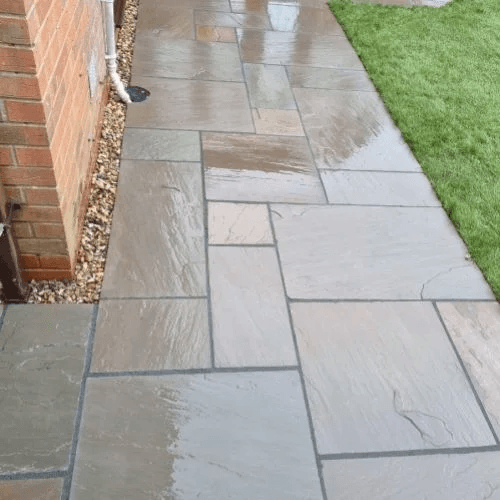
Autumn Brown Natural Sandstone Paving
In Stock
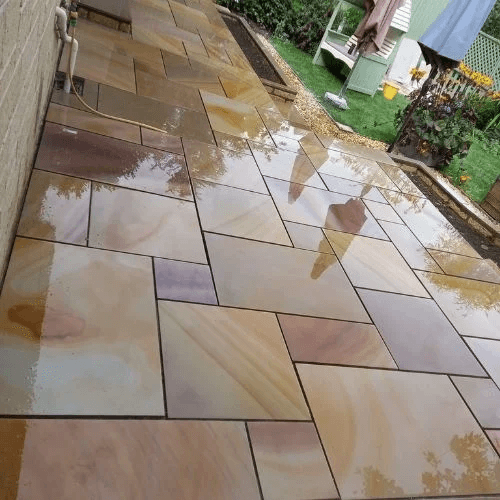
Rippon Buff Honed Sandstone Paving
2 stocks left !
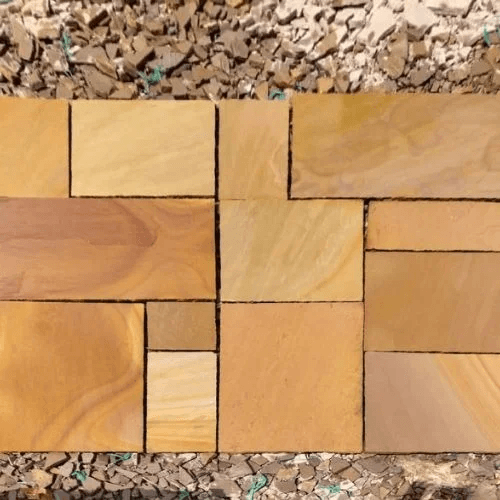
Rippon Buff Natural Sandstone Paving
In Stock
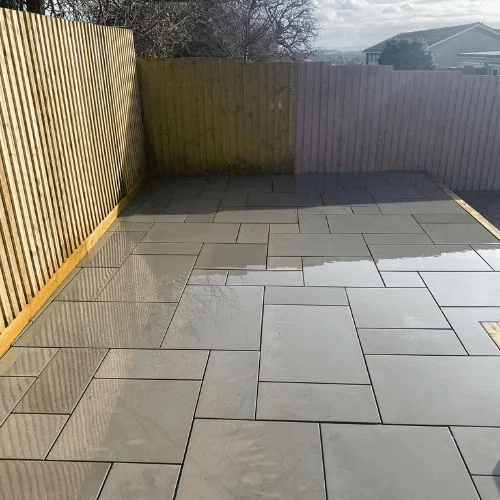
Kandla Grey Honed Sandstone Paving
1 stock left !
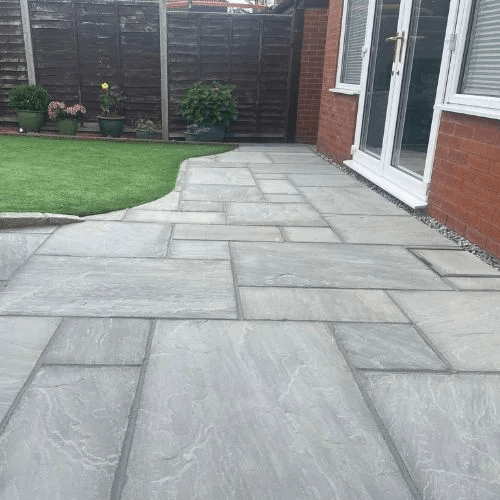
Kandla Grey Natural Sandstone Paving
In Stock
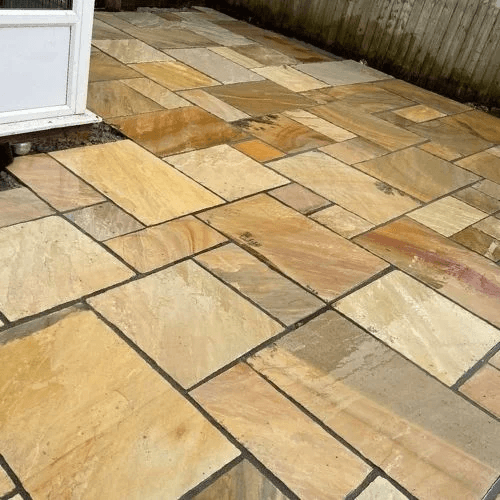
Mint Fossil Sandstone Natural Paving
Out of Stock
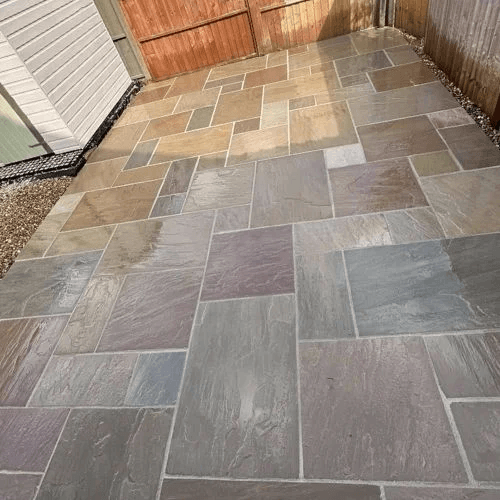
Raj Blend Natural Sandstone Paving
In Stock
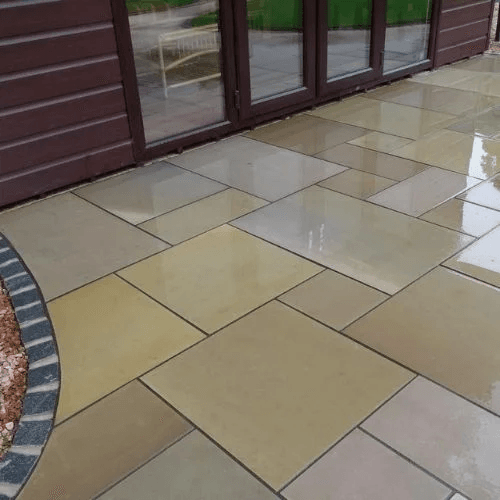
Raj Green Honed Sandstone Paving
Out of Stock
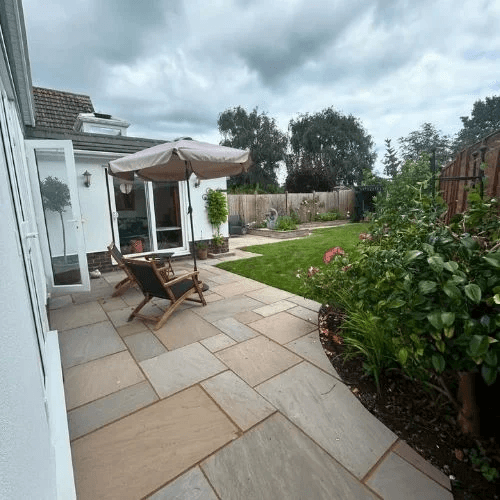
Raj Green Natural Sandstone Paving
1 stock left !
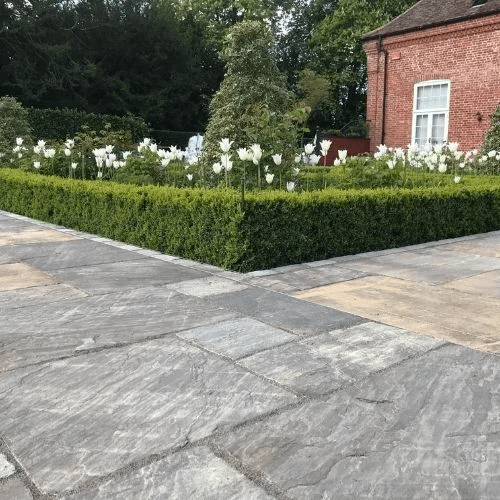
Sagar Black Natural Sandstone Paving
In Stock
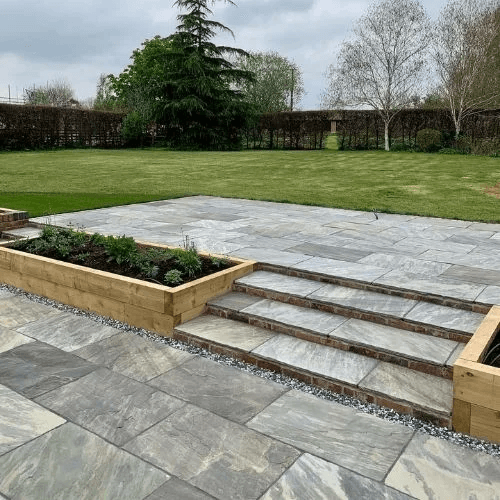
Sagar Black Tumbled Sandstone Paving
In Stock
Natural Sandstone Paving for Beautiful Outdoor Spaces
Sandstone paving is a timeless natural stone choice for creating patios, pathways, terraces and other outdoor spaces. Its natural variation in colour, texture and pattern gives every paved area an individual character, making sandstone particularly suited to gardens that combine practical paving with a natural appearance.
At Stonecera, our sandstone paving collection offers a variety of natural colours, tones and finishes to suit different outdoor designs. From warm buff and brown shades to cooler grey tones, sandstone can complement both traditional gardens and more contemporary landscaping schemes.
Why Choose Sandstone Paving?
Natural sandstone has a distinctive appearance that can add warmth and character to an outdoor space. Unlike completely uniform manufactured paving, each natural stone slab can contain variations in colour, texture and pattern, helping create a more organic finished surface.
Sandstone is also a versatile material for garden design. It can be used across patios, seating areas and pathways while working naturally alongside lawns, planting, brickwork, walls and other landscaping features.
If you are considering Indian sandstone for your project, our guide to laying Indian sandstone explains the key considerations involved in preparing and installing sandstone paving.
Sandstone Paving Colours and Natural Variation
One of the defining features of sandstone is its natural variation. Depending on the stone selected, you can find subtle differences in colour, tone, veining and surface texture between individual slabs.
Warm sandstone shades can create a traditional and welcoming garden appearance, while grey and cooler tones can work well with contemporary landscaping. Natural variation also means that the finished paving will have depth and character rather than appearing completely uniform.
Sandstone Paving for Patios
Sandstone paving is a popular choice for patios because it can create a natural connection between the home and garden. A sandstone patio can be designed as a dedicated seating area, outdoor dining space or extension of the wider garden.
When planning a sandstone patio, consider the overall size of the space, paving layout, joint arrangement and how the patio connects with lawns, planting beds and pathways. These details can help create a balanced and cohesive outdoor design.
For more inspiration, explore our guide to Fossil Mint sandstone paving to discover how natural sandstone can be incorporated into different outdoor settings.
Sandstone for Garden Paths and Landscaping
Sandstone paving can also be used for garden paths and walkways, creating a natural route between patios, lawns and different areas of the garden. Its natural colour variation can help pathways blend into surrounding planting and landscaping.
Smaller-format natural stone can also be used to add definition around larger paved areas. Explore our cobblestone paving collection for smaller paving elements that can be used for borders, edging and decorative details.
Choosing the Right Sandstone Paving
When choosing sandstone paving, consider the colour and character you want to achieve, the size of the area and the overall style of your garden. Consider how the paving will work alongside existing brickwork, walls, planting, garden furniture and other outdoor materials.
It is also important to check the specification of the particular sandstone product, including its thickness, finish and recommended application. Different paving projects can have different installation requirements, so the selected stone should be appropriate for its intended use.
Sandstone Paving and Other Natural Stone Options
Sandstone is one of several natural stone paving options available for outdoor spaces. If you prefer a different colour palette or surface character, you can also compare it with our limestone paving collection.
Slate provides another natural stone option with a more distinctive layered texture. Explore our slate stone collection if you are considering alternative natural stone paving.
For a more consistent manufactured appearance, our outdoor porcelain tiles collection offers another option to consider when planning a patio or landscaped outdoor space.
Installing Sandstone Paving
Good preparation is an important part of installing sandstone paving. The required groundwork, sub-base, bedding method, drainage and jointing should be considered before installation, based on the particular project and paving selected.
A properly prepared base can help provide a stable foundation for the paving. The slabs should be positioned and levelled carefully to create the intended layout while allowing appropriate falls for drainage.
For a detailed overview of the installation process, read our step-by-step Indian sandstone installation guide .
Sandstone Paving Maintenance
Regular maintenance can help keep sandstone paving looking its best. Sweeping the surface helps remove leaves, soil and loose debris, while suitable cleaning methods can be used when deeper cleaning is required.
Natural sandstone should be cleaned using products and methods appropriate for the particular stone. Avoid using unsuitable harsh or acidic cleaning products, as these may affect the appearance of natural stone.
Depending on the product and installation, sealing may also be considered as part of a sandstone maintenance routine. Always follow the manufacturer's recommendations for the specific paving before applying a sealer or treatment.
Sandstone Paving for Traditional and Contemporary Gardens
One of the strengths of sandstone is its ability to work across different garden styles. Warm natural tones can complement traditional and cottage gardens, while larger-format slabs and cooler colours can create a cleaner contemporary appearance.
Sandstone can also be combined with other landscaping materials to create contrast and define different areas. Brickwork, planting, gravel, timber and complementary natural stone can all contribute to the overall design of a sandstone-paved garden.
For further garden inspiration, read our guide to garden landscaping and explore different approaches to planning an outdoor space.
Create a Timeless Outdoor Space with Sandstone
With its natural variation, versatile colour palette and distinctive character, sandstone paving can provide a timeless foundation for patios, pathways and landscaped gardens. Whether you are creating a traditional garden or a more contemporary outdoor space, the right sandstone can help connect the paving with the wider landscape.
Explore the Stonecera sandstone paving collection to compare natural colours, finishes and paving formats for your next outdoor project.
Knowledge Base
Sandstone Paving FAQs
Find answers to common questions about sandstone paving, including its uses, colours, installation, maintenance and how it compares with other paving options.
Sandstone paving can be used for patios and other outdoor paved areas when the selected product is suitable for the intended application. Proper preparation, drainage and installation are important for creating a stable and durable paved surface.
If you are planning an Indian sandstone patio, our guide to laying Indian sandstone explains the main stages involved in preparing and installing the paving.
Regular sweeping can help remove leaves, soil and loose debris from sandstone paving. When deeper cleaning is required, use a cleaning method and product that is suitable for natural sandstone.
Avoid unsuitable harsh or acidic cleaning products and always follow the care recommendations for your particular paving. Depending on the product, sealing may also be considered as part of the maintenance routine.
Sandstone is a natural stone with natural variation in colour, texture and pattern, while porcelain paving is manufactured to provide a more consistent appearance. The two materials also have different installation and maintenance requirements, so the best option depends on the appearance, application and characteristics you want for your outdoor space.
You can compare the two options by exploring our outdoor porcelain tiles collection.