How to Choose the Right Thickness of Your Tiles? Complete Guide
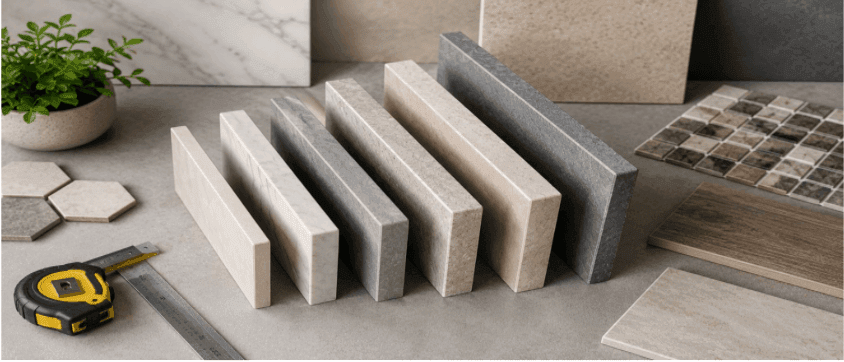
Selecting tiles for the outside or inside your home involves a lot more than just choosing a colour or design. One of the most crucial aspects which people do not take into consideration when buying tiles is their thickness. Tile thickness may influence various things including durability, aesthetics, cost, and overall performance. Whatever application you plan to use the tile for whether it is a brand-new patio, garden makeover, driveway upgrade, or Porcelain outdoor tiles 600x600, you must consider tile thickness.
Here is everything you need to know about tile thickness in our comprehensive guide.
Importance of Tile Thickness
Thickness of a tile is a very important consideration when it comes to performance of a particular tile. For instance, an extremely thin tile for a high traffic area is likely to crack when pressure is applied on it while an extremely thick tile might raise costs of installation as well as cause problems in installing.
Some of the benefits of proper thickness include the following:
• Increased durability
• Improved load bearing ability
• Increased resistance to weather elements
• Increased life span
• Increased cost effectiveness
In essence, proper tile thickness will save you costs in the future.
Standard Thicknesses for Tiles
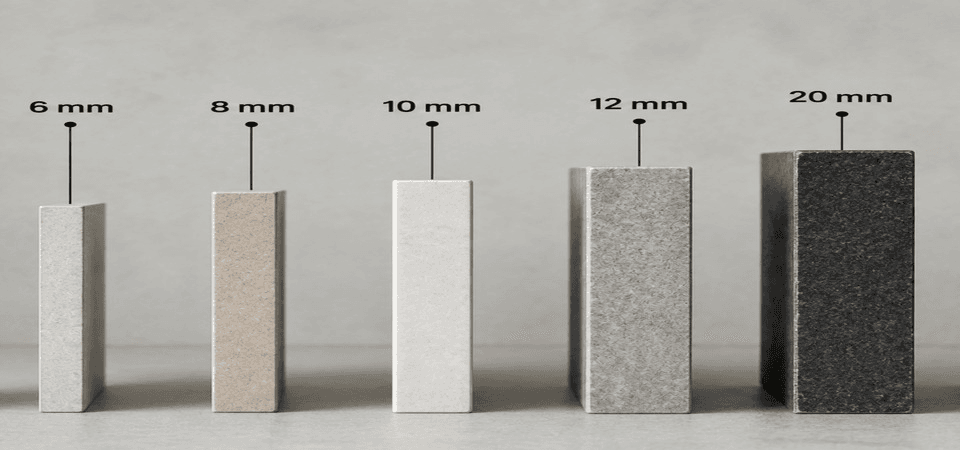
Tiles come in different thicknesses based on their use. Some of the common options include:
6mm to 8mm Tiles
These are lighter weight and less thick tiles that are used indoors. They are appropriate for installing walls as they are lightweight but cannot handle heavy traffic.
9mm to 12mm Tiles
This category of tiles is among the most popularly used ones for indoor floors. These tiles are affordable yet durable and can be used in residential places like kitchens and bathrooms.
16mm to 20mm Tiles
Thicker tiles are preferred when it comes to outdoors where resistance to weather changes is needed along with strength.
Factors that Should Influence the Choice of Tile Thickness
1. Location of Installation
Considering where you are planning to install your tiles will help determine the thickness of your tiles. Thin tiles will do fine for interior walls installation whereas medium thickness is recommended for interior flooring. Thick tiles are most appropriate for exterior installations because of exposure to weather elements and loads.
2. The Level of Activity
The level of activity of an area is among the factors that affect tile thickness. Places with low levels of activities such as guest bathrooms will not necessarily need thick tiles, but high activity places such as walkways and commercial buildings will benefit from thick tiles.
3. Load on Tiles
Each area has a load that is exerted on the tiles. Areas such as gardens, patios, and surrounds of swimming pools would be subjected to human weight whereas driveways would endure vehicular weight.
4. Weather Elements
Exterior material is always exposed to rainfall, sun rays, frost, and temperature changes. Tiles are thick in nature and are generally resistant to these elements and are not easily cracked or damaged over time. This is especially true in areas that experience harsh winter seasons.
Thickness of Porcelain Tiles
Porcelain tiles are amongst the most preferred choices for various outdoor and interior projects due to their durability, ease of maintenance, and good looks.
There are numerous top-quality porcelain tile products that are produced in thickness of up to 10mm-20mm. The outdoor porcelain tiles are normally produced with the thickness of 20mm and are therefore perfect for patios, walkways, and gardens. County Lgy Porcelain is one such product favoured by many homeowners.
Advantages of Thick Porcelain Tiles
The following are some of the advantages of thick porcelain tiles:
•Superior durability
•Immunity against moisture infiltration
•Minimal maintenance
•High slip resistance
•Durable appearance
As such, they are often favoured for use in landscaping.
Outdoor Patios and Tile Thickness
One of the outdoor uses of tiles is for patios. Since these surfaces must withstand climatic conditions and heavy foot traffic, choosing the right thickness becomes important.
It is advised that 20mm porcelain tiles should be used outdoors on patios. The recommended thickness offers enough durability as well as having a nice appearance.
People who search for Porcelain patio ideas UK find out that thicker porcelain tiles provide a modern look as well as practicality in British climate.
Thickness of Porcelain and Natural Stone
There are many people who must compare porcelain tiles with natural stones in terms of paving.
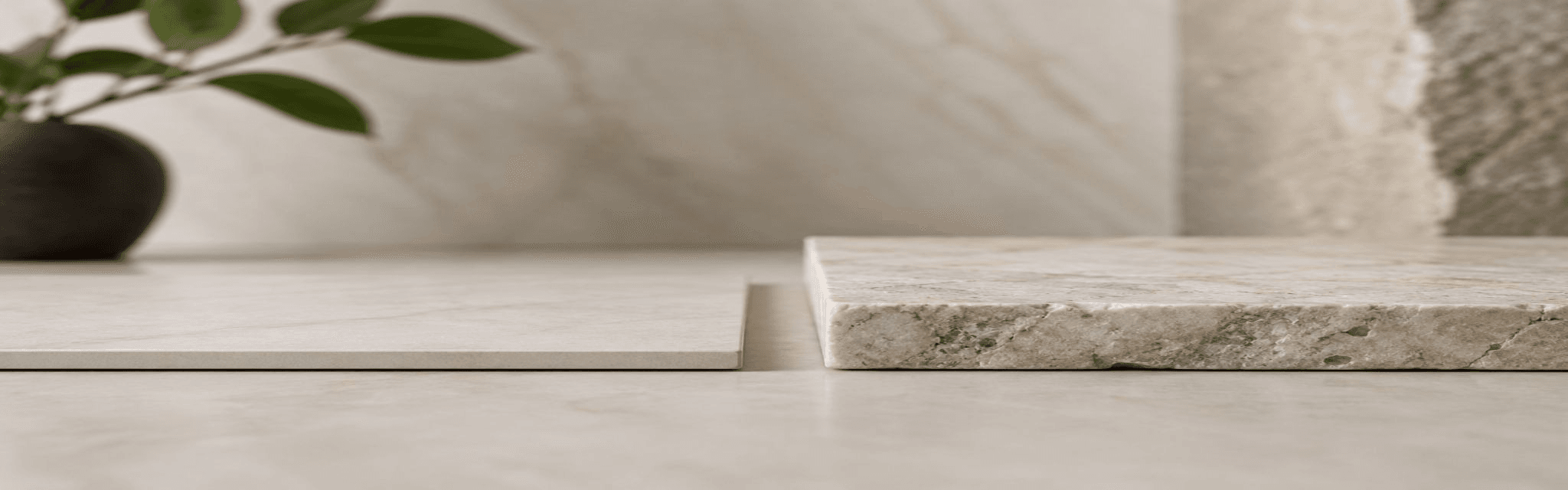
In discussing Porcelain patio vs Natural stone, there are many points to consider including maintenance, appearance, and durability. But thickness is also a factor to consider.
Natural sandstone comes in different thickness ranges from 18 mm to 25 mm. On the other hand, porcelain tiles come in very uniform thickness due to its manufacture process. This is just one of the reasons why porcelain is continuously growing in popularity.
Selection of Tile Thickness for Garden Pathways
Garden pathways require both beauty and practicality.
The garden pathway receives constant traffic through foot and even gardening tools. Thus, tiles must be thick enough to withstand cracks but still maintain their beauty.
Kandla Grey Cobblestone Paving is one type of natural stone that is widely used as pathway materials.
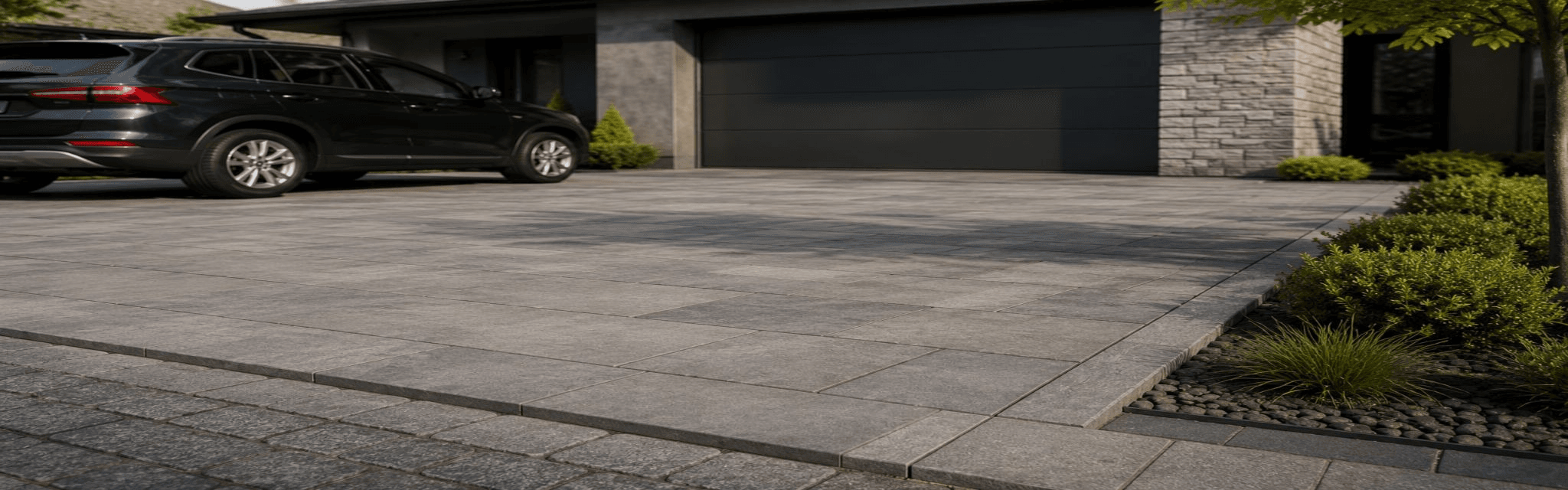
Paving for Driveways Requires Higher Strength Levels
The driveways impose the strongest demands on paving materials. The weight of cars, vans, and sometimes delivery vehicles implies that paving materials should be able to withstand heavy weights.
In case of the driveways, usually, thick paving materials should be used. In accordance with the type of the material, the thickness may vary but it shouldn’t be less than 20mm.
Also, the preparation of the base layer plays a crucial role. The thickest tiles may not perform well being installed on an inappropriate base layer.
Thickness of the Natural Stone Materials
The variety of the thickness and characteristics is quite wide in terms of the natural stone products.
For example, Rustic Slate Stone products have special textures and appearance, but the thickness may differ because of the peculiarities of the natural stone.
Thickness of Large Format Tiles
Large format tiles have been quite popular since they give the illusion of openness and space.
Porcelain outdoor tiles have recently been used for landscaping projects because they give neat finishing and a very modern look. Despite their big size, they can have enough thickness to be durable and strong.
The thickness of large format tiles is an even more important characteristic when installing them, since large-sized areas carry the load differently from small-sized tiles.
Colour and Style Choices
Apart from thickness, there is another characteristic you need to pay attention to.
It is no wonder why many people choose Brazilian Grey Porcelain – not only because of its strength but also because of its design. It means that you need both a nice-looking and thick tile.
Installation Technique and Thickness
The installation technique can affect how thick the tile needs to be.
For example:
Mortar Bed Installation Technique
This installation technique offers great support for heavy and thick tiles.
Pedestal Installation Technique
These are common techniques employed to install raised patios and roof terraces and usually involve thicker porcelain tiles specifically meant for outdoor use.
Gravel Installation
There are some porcelain tiles specifically manufactured for installation over gravel, but thicker tiles remain important here for better stability.
Always refer to the manufacturer guidelines based on the installation technique you choose.
Budget Factor
Thick tiles always cost more than thin tiles because of the extra material that goes into their production process. But thick tiles are known to last longer.
Instead of worrying only about the upfront cost of installation, think about the lifetime costs involved in this project.
Sometimes, spending a little more in the beginning can lead to huge savings in the long run.
Mistakes You Should Avoid When Choosing Tile Thickness
The following are some common mistakes you should avoid when choosing tile thickness:
1.Choosing Tiles by How They Only Look Sometimes a beautiful tile can be too thin to last long enough.
2.Ignoring the Traffic Level Tile thickness should always be proportional to traffic levels in the room.
3.Not Considering the Installation Method, there are different methods of installing tiles, and each requires specific thickness.
4.Ignoring the Foundation, it is important to prepare a stable foundation before installing even thick and high-quality tiles.
Conclusion
Choosing the proper tile thickness is one of the most crucial decisions you have to take when doing a tiling job. The proper tile thickness will guarantee that your tiling/paving is durable, safe, attractive, and worthy.
The following are some of the issues you must factor into account when choosing the proper tile thickness. These include the location, level of traffic, load-bearing capacity, weather, and method of installation among others. Irrespective of whether you choose porcelain or natural stones, the proper tile thickness is what will guarantee success. When considering things like porcelain patio vs sandstone, thickness plays an important role.
Frequently Asked Questions
1. What is the right thickness of tile for outdoor patios?
Porcelain tiles are the best material for making outdoor patios because of their great strength, resistance and ability to bear load and the thickness of 20mm is the best.
2. Does a thicker tile mean better quality?
No, it doesn’t. It all depends on the area where the tile is going to be used. It is better to use thick tiles for outdoor and high-traffic places; thin tiles are usually used for walls.
3. Is it possible to use indoor tiles outside?
It’s better to use outdoor-rated tiles and avoid indoor tiles in the open air, as indoor tiles are unable to resist outdoor conditions.